





Mayank Gupta

Hi, I'm Mayank.

I build artificial intelligence systems that live entirely on the edge.

Currently, I'm an engineer at Google India, developing on-device AI for Pixel smartphones. My recent work includes co-designing and optimizing Gemma 4, and future iterations, to run efficiently within the strict hardware constraints of the Google Tensor SoC.

Before joining Google, I was in the SF Bay Area building patented, cutting-edge computer vision pipelines for Verkada.

Experience

  1. Software Engineer Google

    2023 – Present

    On-device AI for Pixel, including the Gemma family of models.

  2. Computer Vision Engineer Verkada

    2021 – 2023

    Computer vision on the edge for security cameras.

  3. M.S. in Computer Vision Carnegie Mellon University

    2019 – 2020

    Reinforcement learning for self-driving cars.

  4. Research Engineer Xerox Research Centre India

    2017 – 2019

    Computer vision for transportation.

  5. B.Tech. in Electrical Engineering IIT Delhi

    2013 – 2017

    Where my journey into ML started.

Publications

Latest · 2026 · Google DeepMind

Gemma 4

Co-author of the Gemma 4 Technical Report. I co-design cutting-edge LLM architectures for the Pixel Tensor SoC, and I'm now working on the next generation of Gemma.

Lead inventor of a parallel on-device LLM evaluation framework, which shards evals across a fleet of phones, cuts 100+ hour runs to about 4 hours and gates firmware and compiler releases.
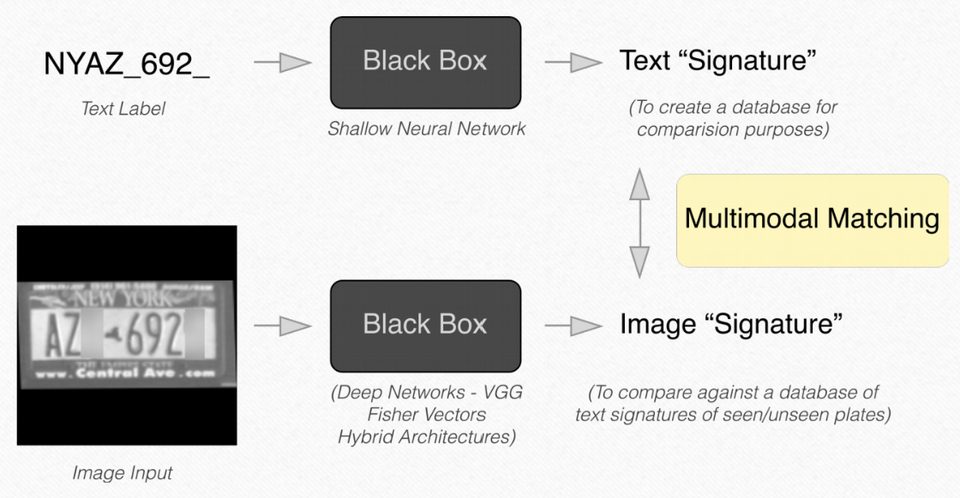
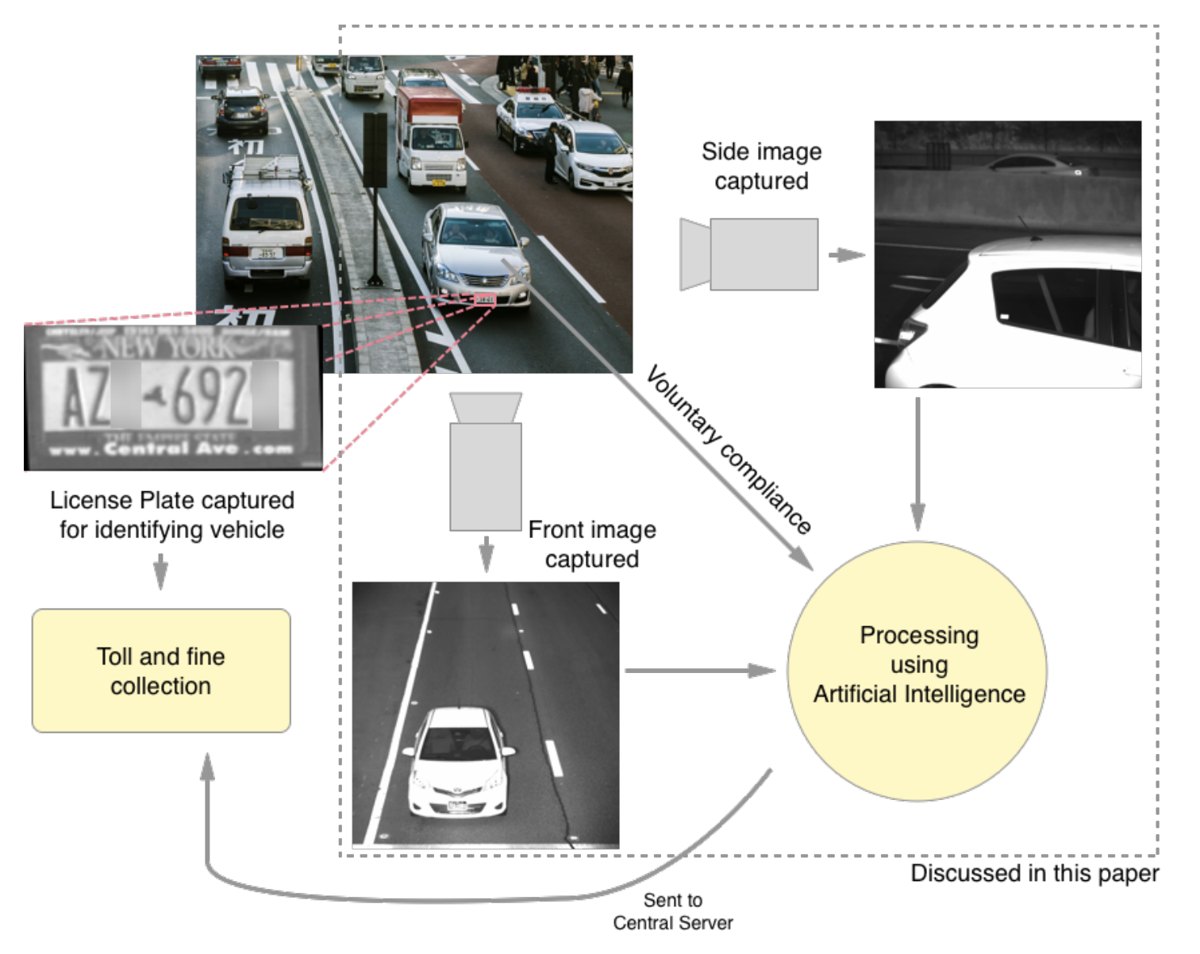
11 U.S.
patents
On-camera computer vision, granted to Verkada across 4 patent families. First or second inventor on 8 of the 11. I built these systems end to end and guided the engineers who extended them, including the full license plate stack, the object tracker used for faces, people and vehicles, and raw image capture from the sensor for hyperzooms. View on Google Patents
  • Automatic multi-plate recognition

    Real-time recognition of multiple license plates, running entirely on the camera's vision processor. Each plate is followed as a tracklet through the video stream, and per-frame OCR reads are fused with a confidence-weighted voting table, which makes the system robust to motion blur, poor lighting and stacked or multi-line plates.

    US 11,978,267 · 2024
    US 12,682,663 · 2026
  • Automatic license plate recognition

    Motion-triggered recognition for gates and entry points. Recognition starts as soon as a vehicle moves into view, and each character is resolved by consensus across neighbouring frames, with inconsistent reads rejected.

    US 11,557,133 · 2023
    US 11,948,373 · 2024
  • People and vehicle analytics on the edge

    On-camera tracking of people and vehicles. Detections are linked over time using Kalman-filter motion prediction, and the resulting tracks are indexed in an on-device key-value store that the cloud queries on demand, so analytics never require uploading video.

    US 11,594,043 · 2023
    US 11,900,688 · 2024
    US 12,205,380 · 2025
  • Hyperzoom attribute analytics on the edge

    Attribute search over high-resolution crops of people and vehicles (hyperzooms). An on-camera CNN with an inverted residual architecture and semantic segmentation extracts attributes such as clothing and vehicle color, which are stored on the device and served to the cloud through queries.

    US 11,429,664 · 2022
    US 11,586,667 · 2023
    US 11,734,343 · 2023
    US 12,056,183 · 2024

Projects

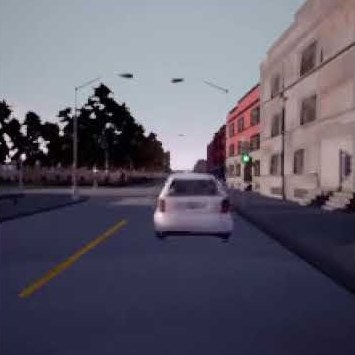
Simulated car driving down a city street, controlled by the RL agent ▶ Watch on YouTube
CMU · Argo AI · 2020

Reinforcement learning for self-driving cars

End-to-end RL agent that maps camera images and waypoints to speed and steering, beating prior benchmarks on no-crash scenarios.

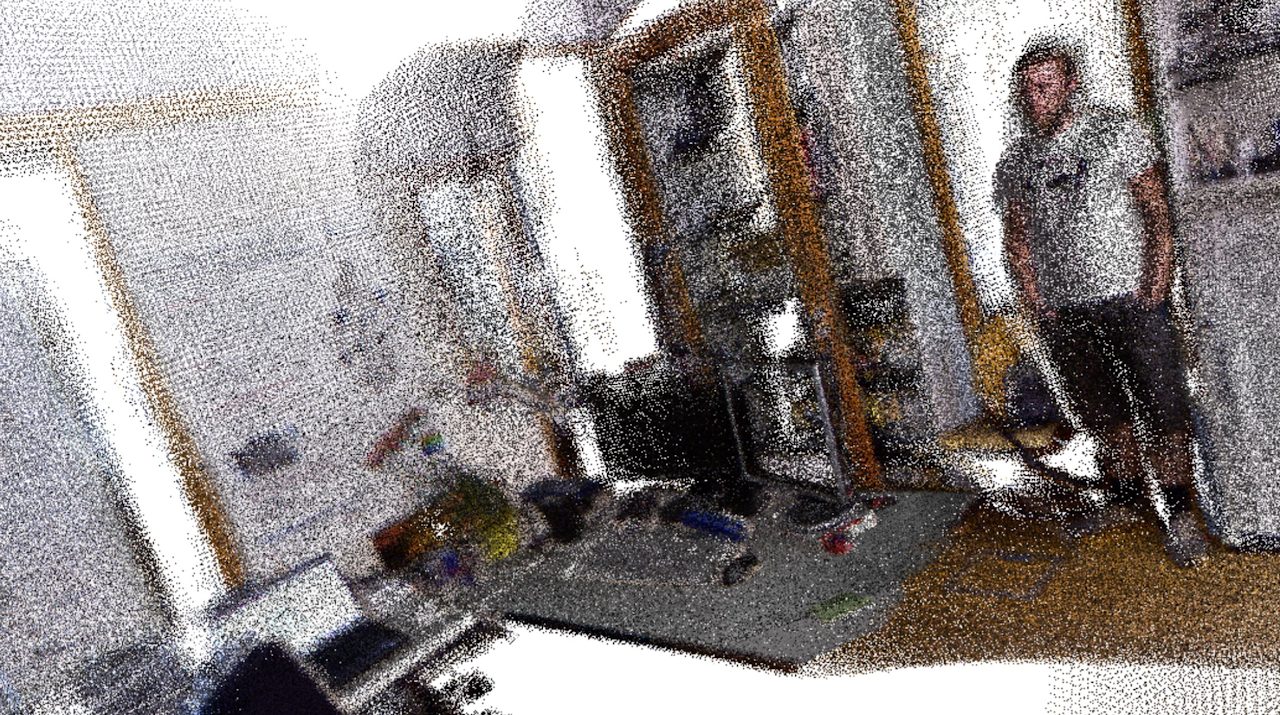
Dense point cloud of a room reconstructed from RGB-D frames with ORB-SLAM2
CMU

Dense reconstruction with ORB-SLAM2

Unprojects RGB-D frames along the ORB-SLAM2 camera trajectory and fuses them into a dense, memory-efficient point cloud.

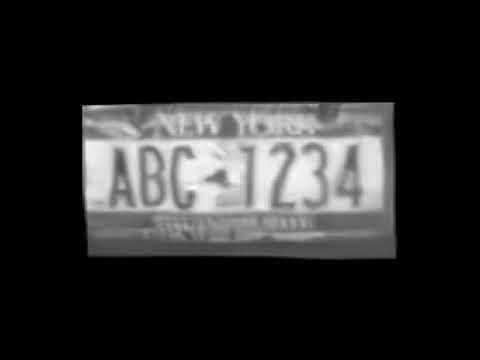
Synthetic New York license plate generated by a ProGAN
Xerox Research · arXiv 2018

Parametric text synthesis with ProGANs

An early attempt at text-to-image synthesis, done in a parametric way.

Beyond work

At IIT Delhi I founded IIT Delhi OnAir, the institute's official broadcasting studio. Getting it approved and funded took two years, and I served as its first station manager, leading a team of 11.

I enjoy videography and video editing.